
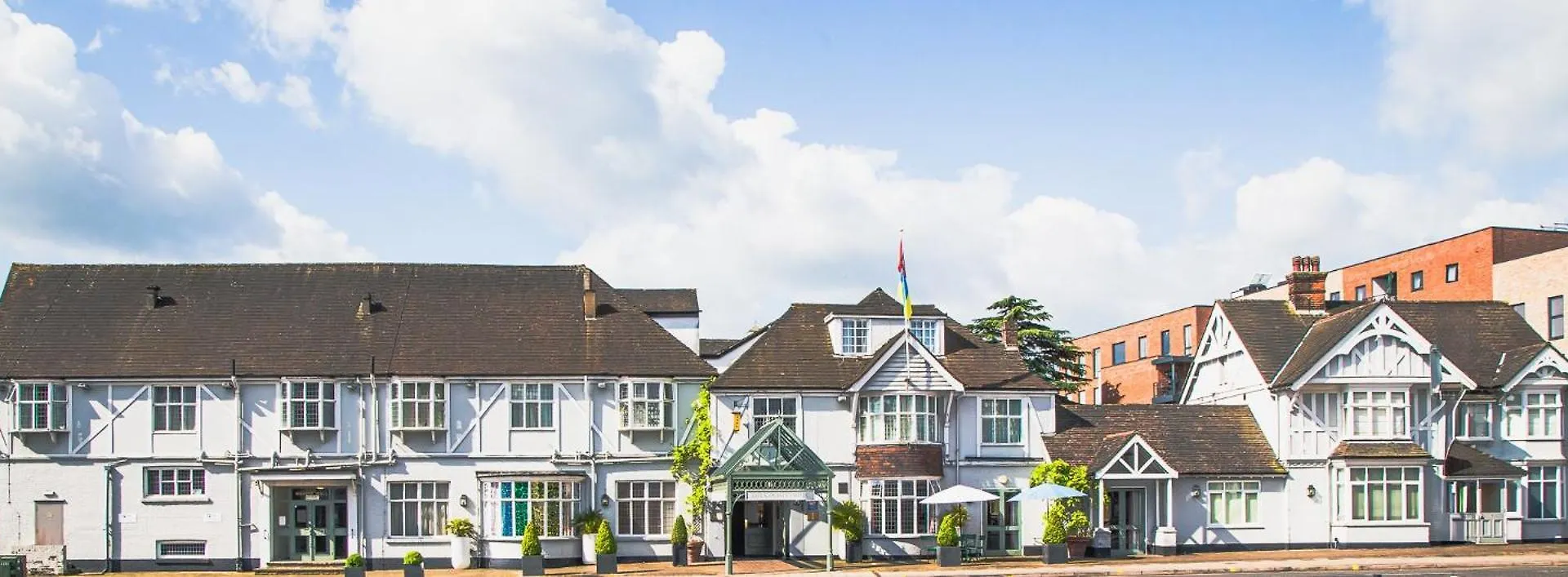
The United Kingdom's Classic British Hotels collection brings together independently run properties with genuine character - from a 13th-century Norwich townhouse to a 1725 Scottish country estate. These are not cookie-cutter chain hotels. Each property carries its own architectural history, regional identity, and a level of hospitality that reflects the locality it sits in, making them a compelling choice for travellers who want more than a standardised overnight stay.
What It's Like Staying in the United Kingdom
The United Kingdom packs an extraordinary breadth of landscape and culture into a relatively compact landmass - from the Scottish Highlands and the Welsh spa towns to the cathedral cities of England and the Norfolk Broads. Accommodation choices vary dramatically by region: city-centre hotels offer walkability and transport links, while rural and countryside properties trade convenience for space, scenery, and quiet. Visitor numbers in the UK peak sharply between June and September, when prices at heritage properties can rise by around 35%, making timing a critical part of any booking decision. Urban stays in cities like Edinburgh, Norwich, and Birmingham suit those combining culture with convenience, while countryside retreats in Solihull or the Welsh Borders reward travellers who plan transport in advance.
Pros:
- Exceptional variety of landscapes within short driving distances - coast, moorland, city, and countryside are rarely more than an hour apart
- Strong heritage hotel stock, with many properties housed in listed buildings that carry genuine historical character
- Well-developed rail and road networks connecting major cities, reducing reliance on a hire car for urban itineraries
Cons:
- Weather is genuinely unpredictable year-round - outdoor plans, particularly in Scotland and Wales, regularly require a backup
- Rural properties often require a car; public transport outside major cities becomes sparse quickly
- Summer peak season in popular areas like Edinburgh and the Norfolk coast pushes room rates up significantly and reduces availability at shorter notice
Why Choose Classic British Hotels in the United Kingdom
Classic British Hotels operate as a curated collection of independent properties - not a franchise, but a group united by quality standards and a distinctly British identity. In practice, this means guests get the character and flexibility of an independent hotel backed by a baseline of assured service, dining, and facilities that generic independents can't always guarantee. Room sizes at these properties tend to be meaningfully larger than equivalent city-centre chain hotels, particularly at countryside and market-town locations, and many include features - period furnishings, individually designed rooms, award-winning restaurants - that corporate brands at similar price points simply don't offer. Rates typically sit in the mid-to-upper range, around 20% above a standard three-star in the same location, but the inclusion of on-site dining, leisure facilities, and free parking at most properties offsets that gap considerably for guests driving or staying multiple nights.
Main advantages of Classic British Hotels in the UK:
- Individually designed rooms with genuine period or regional character, rather than standardised layouts
- On-site restaurants with AA recognition or award-winning menus - dining is a genuine reason to stay, not an afterthought
- Free parking available at the majority of properties, a significant practical saving in UK cities and towns where parking costs are high
Main trade-offs with this hotel category:
- Availability is limited - these are smaller, independent properties, and popular dates sell out faster than large chain hotels
- Some countryside locations require advance planning for transport, as they are not walkable to town centres or train stations
- The independent nature means amenity sets vary between properties - not every hotel in the collection has a pool or spa
Practical Booking & Area Strategy for the UK
Choosing which region to base yourself in fundamentally shapes the kind of UK trip you'll have. Edinburgh anchors any Scottish itinerary - the Dalmahoy estate sits just 20 minutes from the city centre with motorway access, making it viable as both a countryside retreat and a city base. Norwich is frequently underestimated as a destination: the Cathedral Quarter, the Norfolk Broads, and the North Norfolk coast are all accessible within 30 minutes, and the city itself rewards two to three days of exploration without the tourist density of London or Bath. For the English Midlands, Solihull is strategically placed for Birmingham, the Cotswolds, and Stratford-upon-Avon, while Chelmsford in Essex offers direct trains to London Liverpool Street in around 35 minutes, making it one of the more practical bases for combining a quieter stay with a London day trip. Llandrindod Wells in mid-Wales is a genuine hidden gem - a Victorian spa town with almost no tourist crowds, strong walking country, and a hotel scene that punches well above its profile. Book at least 6 weeks ahead for summer stays at countryside properties, and always check whether breakfast and parking are included before comparing headline room rates.
Classic British Hotels in England
England's entries in the Classic British Hotels collection cover three distinct settings - a city-centre Essex property with direct London rail access, a woodland estate outside Birmingham, and a 13th-century cathedral-quarter hotel in Norwich. Each suits a different type of UK itinerary.
-
1. County Hotel
Show on map


 Check-infrom 15:00 until 23:59Check-outuntil 11:00
Just a few rooms left at the best rate!
from£ 105
-
2. Hogarths
Show on map


 Check-infrom 15:00 until 23:59Check-outfrom 07:00 until 11:00
Just a few rooms left at the best rate!
from£ 105
-
3. The Maids Head Hotel
Show on map


 Check-infrom 15:00 until 23:59Check-outuntil 11:00
Hurry – almost gone at this price!
from£ 79
Classic British Hotels in Scotland & Wales
Outside England, the collection extends to a historic Scottish parkland estate near Edinburgh and a Victorian spa hotel in the Welsh heartland - two properties with distinctly different characters but the same hallmark of independent, quality-led hospitality.
-
4. Dalmahoy Hotel & Country Club
Show on map


 Check-infrom 15:30 until 23:59Check-outuntil 11:00
Hurry – almost gone at this price!
from£ 76
-
5. Metropole Hotel And Spa
Show on map


 Check-infrom 16:00 until 23:59Check-outuntil 11:00
Rooms filling fast – secure the best rate!
from£ 114
Smart Travel & Timing Advice for the UK
The United Kingdom operates on a clear seasonal rhythm that directly affects hotel pricing and availability at independent properties. July and August are the most pressured months across the board - Edinburgh in particular tightens dramatically during the Festival in August, when Dalmahoy and comparable properties outside the city become a sensible base to avoid the accommodation squeeze. Spring (April to early June) and autumn (September to October) offer the most balanced conditions: reasonable weather, lower rates, and better availability at countryside hotels that don't need to be booked months in advance. For Wales and rural England, late autumn through March brings genuine quiet - the Metropole in Llandrindod Wells and Hogarths in Solihull both operate year-round, and off-peak midweek rates can represent meaningful savings over weekend tariffs. Most UK hotels apply dynamic pricing, so booking directly through the hotel's own website frequently unlocks rates that third-party platforms don't display. A minimum stay of 2 nights is the practical threshold at countryside and estate properties - one-night stays rarely allow enough time to make full use of spa, golf, dining, and grounds. For city-centre properties like the County Hotel in Chelmsford or the Maids Head in Norwich, single-night stays are more viable, particularly for business travellers using the London rail corridor.


