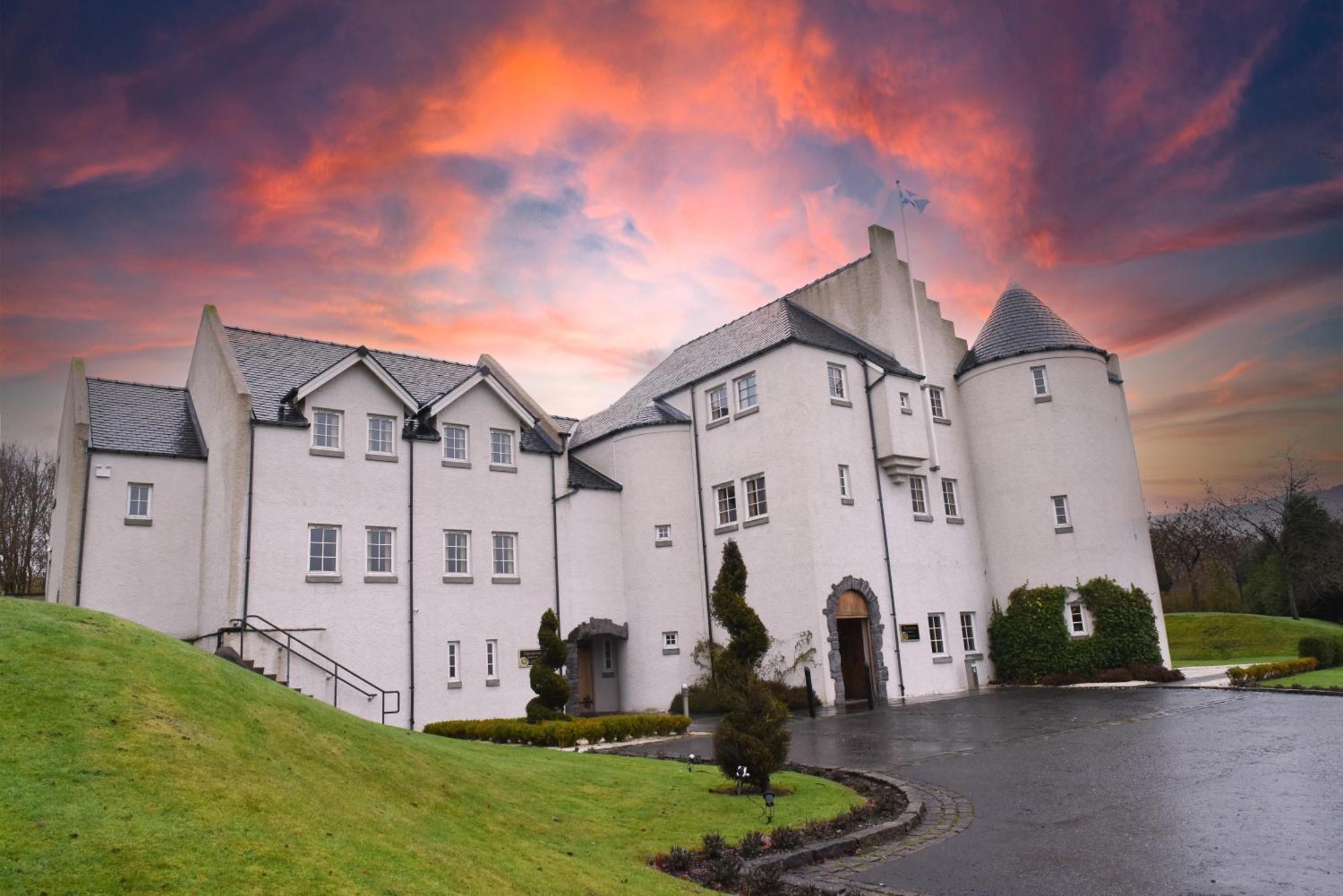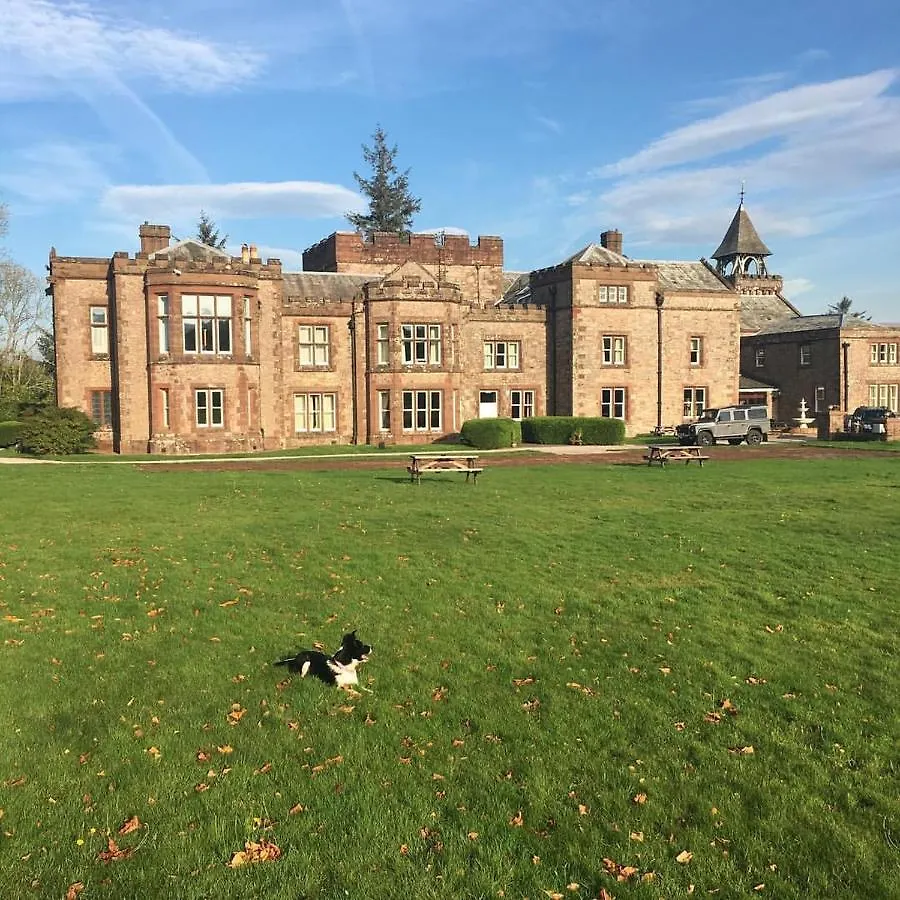
Cumbria draws travellers seeking landscape-driven escapes, historic properties, and slow-paced immersion in one of England's most dramatic regions. From the western fells of the Lake District to the Eden Valley and the Solway Coast, the county's luxury accommodation market ranges from 14th-century halls to polished country house hotels - each offering a distinctly different gateway into the region. This guide covers 8 carefully selected luxury hotels across Cumbria, with practical booking strategy to help you choose the right base for your stay.
What It's Like Staying In Cumbria
Cumbria is England's second-largest county and home to the Lake District National Park, a UNESCO World Heritage Site that draws around 19 million visitors per year. The region operates on a slower, more rural rhythm than any major English city - roads are narrow, public transport is limited outside of market towns like Kendal and Keswick, and the pace of travel between key sites often requires a car. Most luxury stays here are destination properties, meaning the hotel itself - its grounds, dining, and access to trails - is a core part of the experience rather than just a place to sleep. Visitors who prefer walkable city centres or fast rail connections to multiple sites daily will find Cumbria's geography more demanding than rewarding.
Pros:
- Unmatched access to fells, lakes, and historic landmarks within a short drive of most properties
- Luxury properties here frequently occupy historic buildings with genuine architectural character - not just modern hotel blocks
- Significantly lower nightly rates than equivalent-star hotels in London or the Cotswolds for comparable space and setting
Cons:
- A car is near-essential - rail reaches Oxenholme and Windermere but coverage across the western fells is sparse
- Peak summer weekends (July-August) see heavily congested single-track roads around popular valleys like Wasdale and Borrowdale
- Evening entertainment outside hotel restaurants is limited in smaller villages - guests relying on nightlife will be disappointed
Why Choose Luxury Hotels In Cumbria
Luxury hotels in Cumbria compete on space, provenance, and landscape access rather than urban convenience - which makes the value proposition genuinely strong for the right traveller. Four-star and above properties in the Lake District and surrounding areas regularly include free parking, full breakfasts, and on-site dining as standard inclusions that would cost significantly more as add-ons in a city hotel. Room sizes tend to be generous compared to urban equivalents, and many properties occupy converted manor houses, country inns, or historic halls where original architectural features - exposed beams, stone fireplaces, flagged floors - add tangible character. The trade-off is isolation: luxury here means tranquillity, not proximity to boutiques or restaurants beyond the property.
Pros:
- Properties frequently include breakfast, parking, and grounds access at no extra charge - bundled value is strong
- Room sizes and bathroom quality at 4-star Cumbrian hotels consistently exceed urban equivalents in the same price bracket
- Direct access to hiking, cycling, and heritage sites from the hotel door is a genuine differentiator unavailable in city stays
Cons:
- Dining options are often limited to the hotel restaurant - choice matters if you plan multiple-night stays
- Spa and leisure facilities are not universal - around 40% of luxury rural properties in Cumbria do not offer a pool or gym
- Seasonal closures and limited availability during peak dates mean last-minute luxury bookings in summer are rarely possible
Practical Booking & Area Strategy
Cumbria's luxury hotels cluster across three distinct zones, each with different access and atmosphere. The central Lake District - around Keswick, Borrowdale, and Buttermere - offers the most dramatic scenery and the highest concentration of walking-focused properties, but roads narrow significantly west of Keswick and journey times between sites can be deceptive on a map. The western coastal strip around Whitehaven and Workington provides better road connections to the M6 and is preferable for travellers combining a Cumbrian stay with onward travel to Scotland. The Eden Valley and eastern Cumbria - including Sedbergh and Armathwaite - suit those seeking quieter, less-visited landscapes with easy access to the Yorkshire Dales. Booking at least 8 weeks ahead is advisable for summer weekends, as the most characterful properties fill quickly and rarely discount during peak season. For a meaningful Lake District experience, a minimum of two nights is realistic - single-night stays leave insufficient time to reach the more remote fells and return comfortably.
Best Value Luxury Stays
These properties deliver strong four-star credentials - historic character, quality dining, and direct fell or countryside access - at price points that represent genuine value within Cumbria's luxury market. Each includes parking and breakfast as standard, reducing the total trip cost considerably.
-
1. Irton Hall
Show on map


 Check-infrom 16:00 until 22:00Check-outfrom 07:00 until 10:00
Just a few rooms left at the best rate!
from£ 109
-
2. Howgills House Hotel
Show on map


 Check-infrom 16:00 until 23:00Check-outfrom 09:00 until 10:00
Just a few rooms left at the best rate!
from£ 227
-
3. Kirkstile Inn
Show on map


 Check-infrom 15:00 until 22:30Check-outfrom 08:00 until 11:00
Just a few rooms left at the best rate!
from£ 186
-
4. The Langstrath Country Inn
Show on map


 Check-infrom 16:00 until 22:00Check-outfrom 07:00 until 10:00
Hurry – almost gone at this price!
from£ 158
-
5. Fox And Pheasant Inn
Show on map


 Check-infrom 17:00 until 22:00Check-outfrom 07:00 until 10:00
Hurry – almost gone at this price!
from£ 109
Best Premium Luxury Stays
These properties step up in facilities, dining scope, or town-centre positioning - suited to travellers who want leisure amenities, a higher level of in-hotel service, or a base that combines countryside access with a more structured hotel experience.
-
6. Hunday Manor Country House Hotel
Show on map


 Check-infrom 14:00 until 23:00Check-outuntil 11:00
Hurry – almost gone at this price!
from£ 98
-
7. Georgian House Hotel
Show on map


 Check-infrom 16:00 until 22:00Check-outfrom 07:00 until 10:00
Rooms filling fast – secure the best rate!
from£ 149
-
8. Washington Central Hotel And Sleepwell Inn
Show on map


 Check-infrom 15:00 until 22:00Check-outfrom 07:00 until 11:00
Rooms filling fast – secure the best rate!
from£ 127
Smart Travel & Timing Advice For Cumbria
The Lake District and wider Cumbria operate on a sharply seasonal tourism calendar. July and August bring the heaviest visitor pressure - accommodation fills weeks in advance, road congestion around Windermere, Grasmere, and Keswick peaks on weekends, and nightly rates at quality properties rise considerably compared to shoulder months. September and early October offer the strongest combination of reliable weather, reduced crowds on the fells, and better availability at preferred properties - particularly in the western valleys around Wasdale, Loweswater, and Eskdale, which see a more dramatic visitor drop-off than the central Lake District. Late October through March suits travellers seeking solitude and dramatic low-light landscapes, though some smaller inn restaurants operate reduced hours and self-catering properties become more practical. Booking at least 8 weeks ahead is the minimum strategy for summer stays at the more characterful properties - last-minute availability in peak season almost always means accepting a less well-positioned room or a property that was not first choice. For winter and spring visits, a notice period of around 3 weeks is usually sufficient for most of the properties listed here, and some offer early-booking discounts for stays confirmed well in advance.