
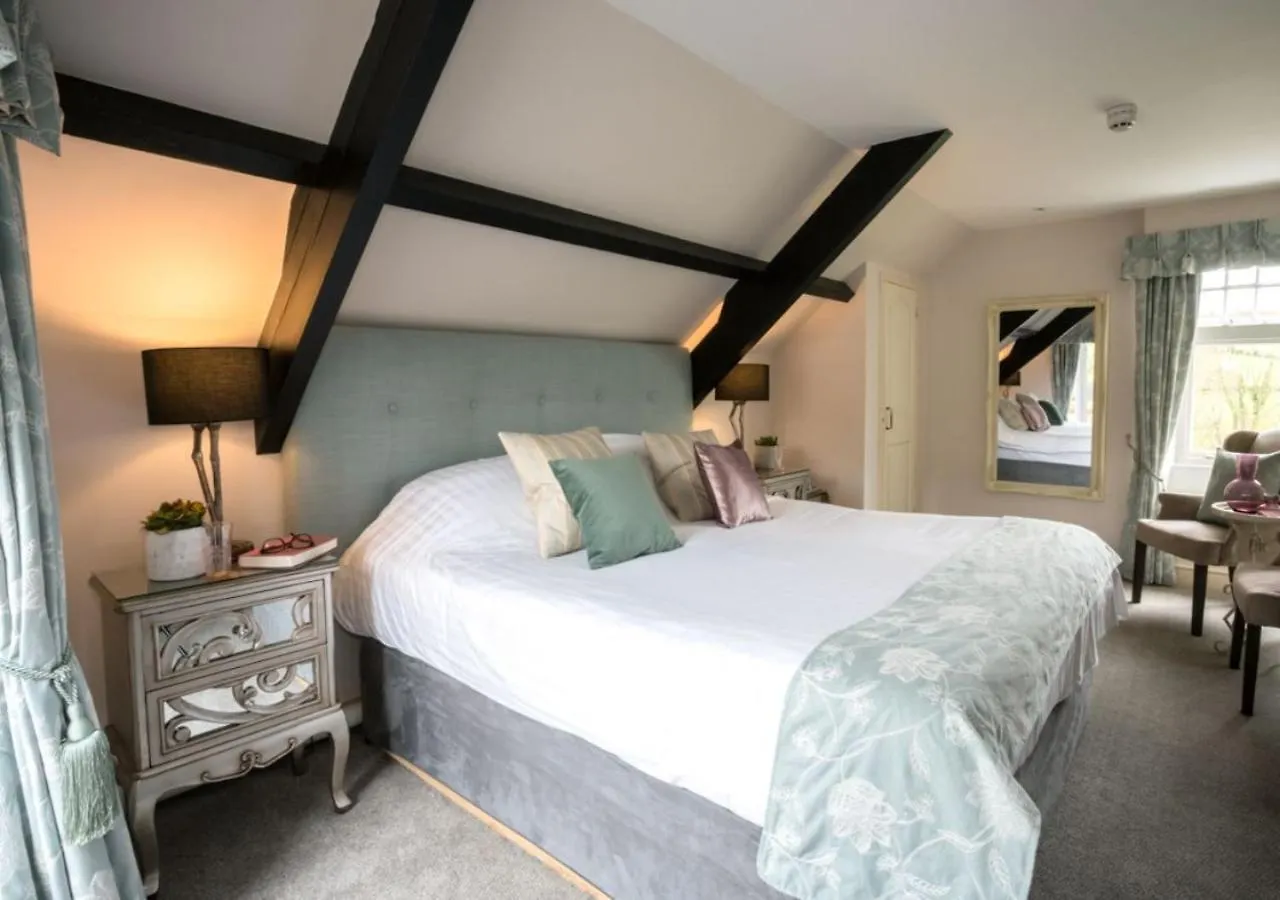
Devon's geography is unusually diverse - within a single county you move from coastal estuaries and surf beaches in the west to the wild moorland of Dartmoor and the urban waterfront of Plymouth. Choosing the right hotel here isn't just about stars or price; it's about where you physically land, because the wrong base can add hours of driving to every day. These four hotels have earned strong ratings specifically for their location, each placing guests within direct reach of a distinct Devon experience.
What It's Like Staying in Devon
Devon is England's third-largest county, which means distances are real - getting from Salcombe on the south coast to Croyde on the north coast takes around 90 minutes by car. Devon has no major motorway running through it, so rural roads, seasonal traffic, and limited public transport make base location a genuine strategic decision. The county draws surfers to Croyde and Saunton, hikers to Dartmoor, and foodie weekenders to Salcombe and Dartmouth - each audience benefits from a different base.
Pros:
- Exceptional geographic variety - moorland, coastline, estuaries, and market towns all within one county
- Far less crowded than Cornwall for equivalent coastal scenery, especially on the south Devon coast
- Strong local food scene anchored by seafood, local farms, and award-winning restaurants throughout the region
Cons:
- Rural road network slows travel significantly in summer; journeys that look short on a map can take much longer
- Public transport outside Exeter and Plymouth is sparse, making a car near-essential for most visitors
- Peak summer weekends (July-August) see sharp price increases across all accommodation tiers in coastal towns
Why Choose a Well-Located Hotel in Devon
In a county this large, a hotel's location score reflects something specific - whether it places guests within walking distance of a beach, on the edge of a national park, or overlooking a working harbour. A high location rating in Devon often translates directly into saved driving time, which matters enormously when roads become congested. Hotels with strong location scores here typically command a premium of around 25% over comparable-quality properties set further inland or away from key attractions.
Pros:
- Immediate access to key Devon landscapes without relying on long drives every morning
- Waterfront and national park-edge positions deliver scenery from the room itself, not just nearby
- Well-positioned hotels tend to cluster near footpath networks, reducing the need for a car during the stay
Cons:
- Prime location properties in Salcombe and south Devon coastal towns book out weeks in advance during school holidays
- Coastal positioning can mean limited or paid parking, especially in Salcombe where road access is restricted
- Hotels directly on the waterfront or moorland edge may have fewer dining options within walking distance
Practical Booking & Area Strategy in Devon
Devon's key bases each suit a different traveller: Salcombe is the premium south coast choice with a sheltered estuary, boutique shops, and direct water access; Chagford on the edge of Dartmoor is the gateway for walkers and those seeking the national park without the tourist pressure; Plymouth provides the only real urban infrastructure, with a train station, ferry connections to France and Spain, and the Barbican's restaurants and bars within walking distance. For the far north-west corner near Holsworthy and Pyworthy, visitors are accessing a quieter Devon largely off the tourist trail, within reach of Bude's surfing coast and the Tamar Valley. Book at least 6 weeks ahead for July and August in Salcombe specifically - the town has restricted road access and limited accommodation stock, meaning late bookings often find nothing available. Dartmoor-edge properties near Chagford remain more accessible through late season and are notably quieter after the August peak, making them strong value for September walkers.
Best Value Stays
These properties deliver strong location credentials at a more accessible price point, placing guests directly within Devon's national park and rural landscapes without the coastal premium.
-
1. Mill End Hotel
Show on map


 Check-infrom 15:30 until 22:00Check-outfrom 08:00 until 11:00
Just a few rooms left at the best rate!
from£ 177
-
2. Molesworth Accommodation, Pyworthy, Devon
Show on map


 Check-infrom 15:00 until 20:00Check-outfrom 07:00 until 10:00
Just a few rooms left at the best rate!
from£ 121
Best Premium Stays
These two hotels occupy genuinely exceptional positions - one on Salcombe's harbour waterfront and one overlooking Plymouth Sound - with facilities and views that justify the higher nightly rate.
-
3. Harbour Hotel & Spa Salcombe
Show on map


 Check-infrom 15:00 until 23:30Check-outfrom 07:00 until 11:00
Hurry – almost gone at this price!
from£ 205
-
4. Crowne Plaza Plymouth By Ihg
Show on map


 Check-infrom 15:00 until 23:59Check-outuntil 11:00
Rooms filling fast – secure the best rate!
from£ 61
Smart Travel & Timing Advice for Devon
July and August are Devon's peak months, when coastal roads near Salcombe and the south hams become heavily congested and accommodation prices spike sharply - properties like Harbour Hotel & Spa Salcombe regularly sell out. The shoulder months of May, June, and September offer a more practical window: walking conditions on Dartmoor are stable, the sea is warm enough for swimming by September, and nightly rates can run around 30% lower than peak summer. Plymouth operates year-round with consistent hotel availability, making it the most reliable base for last-minute bookings. For Dartmoor-edge properties like Mill End, late September through October is arguably the best period - bracken turns amber, crowds drop sharply, and walking conditions remain excellent. Book Salcombe at least 8 weeks ahead for any summer stay; for Dartmoor and Plymouth, a 3-week lead time is typically sufficient outside school holidays. A minimum of 2 nights is recommended at any of these properties to justify the journey times within Devon's road network.


