
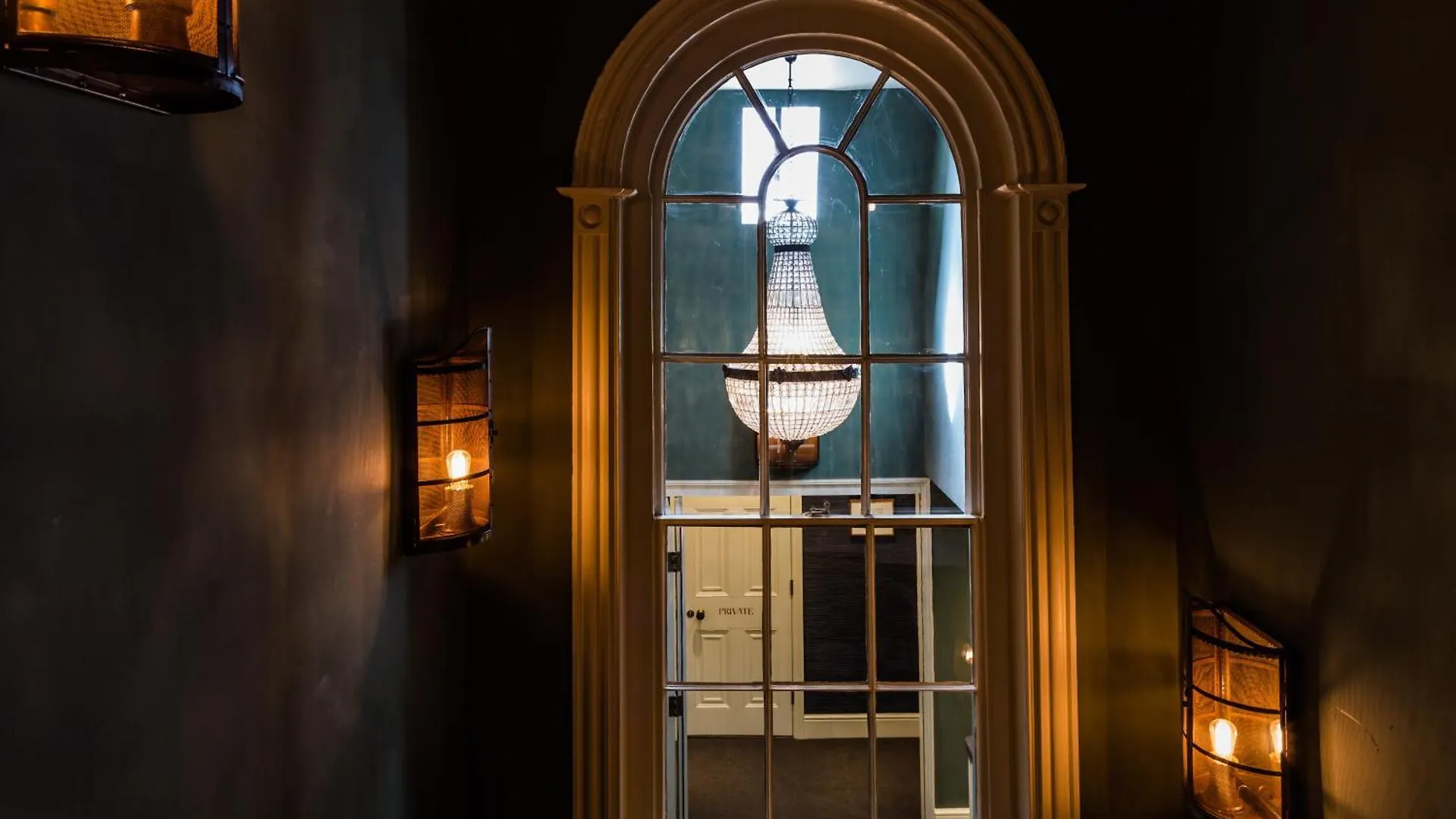
The Cotswolds stretches across six counties of central England, offering one of the country's most distinctive hotel landscapes - stone-built inns, Georgian townhouses and centuries-old coaching houses, each with individually styled rooms and a character that chain hotels simply cannot replicate. This guide covers four hand-picked boutique hotels across the region, from Cheltenham's elegant Georgian streets to the quintessential village green of Broadway, helping you choose the right base for your stay.
What It's Like Staying in the Cotswolds
The Cotswolds is one of England's largest Areas of Outstanding Natural Beauty, covering around 800 square miles of honey-stone villages, rolling hills and market towns. Getting around requires a car for most visitors - public transport between villages is limited, and many of the most picturesque spots sit off any direct rail line. Crowds peak heavily between May and September, particularly around Broadway, Bourton-on-the-Water and Bibury, where coach tours arrive by mid-morning.
Staying here suits travellers who want a slow-paced, countryside-focused trip with strong food and pub culture at its core. Those expecting urban convenience or fast connections to major cities may find the pace frustrating.
Pros:
- Exceptionally preserved village architecture and landscapes found nowhere else in England
- Dense concentration of high-quality gastropubs, AA Rosette restaurants and farm-to-table dining within short drives
- Cheltenham provides a genuine town base with racecourse events, theatre and a walkable centre
Cons:
- Car hire is nearly essential - many villages have no usable bus service after early evening
- Peak summer weekends see accommodation prices spike and popular villages become genuinely overcrowded by midday
- Village shops and attractions often close early, limiting flexibility for late arrivals
Why Choose a Boutique Hotel in the Cotswolds
Boutique hotels in the Cotswolds occupy a distinct niche - many are housed in listed buildings dating from the 16th to 18th centuries, where the architecture itself is part of the experience. Individually styled rooms are the norm here, meaning no two stays feel the same even within the same property. Prices at boutique properties in the region typically run higher than budget B&Bs, but the trade-off is direct access to in-house restaurants, character bars and curated room design that justifies the premium for most travellers.
Compared to larger hotel groups operating in nearby Oxford or Cheltenham city centre, Cotswolds boutique hotels are smaller - usually under 25 rooms - which means more attentive service and a quieter atmosphere, though it also means availability disappears fast, especially around Cheltenham Festival in March.
Pros:
- Rooms in historic buildings with original features such as oak beams, stone walls and open fireplaces included as standard
- On-site restaurants frequently hold AA Rosettes, offering dining quality well above typical countryside pubs
- Smaller room counts mean a more personal stay, with hosts who know the local area in genuine depth
Cons:
- Limited availability during peak periods - Cheltenham Festival and summer weekends can sell out around 6 weeks in advance
- Older buildings mean some rooms may have low ceilings, uneven floors or restricted accessibility for mobility-impaired guests
- Boutique pricing in the Cotswolds commands a premium of around 40% over standard regional B&Bs for comparable room sizes
Practical Booking & Area Strategy
Choosing where to base yourself in the Cotswolds depends heavily on what you want to do. Cheltenham is the strongest urban base - it has direct rail links to London Paddington in around 2 hours and 10 minutes, a walkable town centre and proximity to the racecourse, making it the most practical entry point. Broadway, sitting at the northern edge of the Cotswolds, is one of the region's most visited villages and positions you within easy driving distance of Chipping Campden, Burford and Bourton-on-the-Water. Long Compton, where The Red Lion Inn sits, is better placed for travellers also visiting Stratford-upon-Avon or Warwick, both under 40 minutes by car.
Key attractions worth planning around include Broadway Tower (one of the highest points in the Cotswolds with panoramic views), Cheltenham Racecourse, Blenheim Palace to the south-east and the Rollright Stones near Long Compton - a genuine Neolithic site that sees far fewer crowds than the region's honeypot villages. If your priority is avoiding peak-day congestion, arriving midweek and staying at least 3 nights gives you the best access to quieter mornings in the most popular spots.
Best Value Stays
These properties deliver strong character, quality food and genuine Cotswolds atmosphere at a positioning that makes them accessible for most travellers planning a countryside break.
-
1. The Wychwood Inn
Show on map


 Check-infrom 15:00 until 22:00Check-outfrom 08:00 until 11:00
Just a few rooms left at the best rate!
from£ 146
-
2. The Red Lion Inn
Show on map


 Check-infrom 14:00 until 22:00Check-outfrom 08:00 until 11:00
Just a few rooms left at the best rate!
from£ 229
Best Premium Stays
These two properties offer a higher level of finish, curated design and location prestige - one in Cheltenham's Georgian townhouse belt, the other on Broadway's iconic village green.
-
3. No38 The Park
Show on map


 Check-infrom 15:00 until 23:59Check-outuntil 11:00
Hurry – almost gone at this price!
from£ 117
-
4. The Broadway Hotel
Show on map


 Check-infrom 15:00 until 21:30Check-outfrom 07:00 until 11:00
Rooms filling fast – secure the best rate!
from£ 206
Smart Travel & Timing Advice
The Cotswolds runs on a very defined seasonal rhythm. Late spring (May and early June) is widely considered the best window - crowds are manageable, the countryside is at its greenest and accommodation prices have not yet hit their summer ceiling. July and August bring the highest footfall to honeypot villages like Broadway and Bourton-on-the-Water, and weekend prices at boutique hotels can rise steeply compared to midweek rates during the same period.
March is a critical booking month for anyone targeting Cheltenham - the Festival draws tens of thousands of visitors over four days, and properties like No38 The Park fill up around 8 weeks in advance. Autumn, particularly October, offers a genuinely underrated window: foliage across the Cotswold hills, significantly thinner crowds and lower rates without the weather unpredictability of winter. Three nights is the practical minimum to cover the northern villages (Broadway, Chipping Campden), a day around Cheltenham and a longer drive south toward Burford or Bibury without feeling rushed. Last-minute bookings work in January and February, but summer and Festival period stays require early planning without exception.


