England's hotel scene spans everything from restored 17th-century manor houses to Victorian seafront properties and historic coaching inns. Choosing a centrally located hotel here means trading flexibility for convenience - walkable town centres, direct train links, and faster access to the local attractions that actually drive the trip. This guide covers 15 central hotels across England, from Worthing and Folkestone on the south coast to the Yorkshire Dales and the Lancashire countryside, helping you decide which property fits your specific itinerary.
What It's Like Staying in England
England rewards travellers who pick their base carefully. The country's rail network connects most towns to London, the coast, or a major city within around 2 hours, but road congestion in market towns and seaside resorts can add significant time during summer weekends. Crowd patterns shift dramatically by season - coastal towns like St Ives and Padstow become heavily congested between June and September, while inland market towns such as Huntingdon or Leintwardine stay calm year-round. Staying centrally in England means different things depending on the region: in a harbour town it means walking to the waterfront, while in a countryside village it means being within driving distance of walking trails and castles.
England suits travellers who want to combine heritage, landscape, and food culture in a single trip. Those seeking pure urban nightlife or guaranteed warm weather will find the experience frustrating - rain is a realistic factor at least 40% of travel days across the north and west.
Pros:
- Exceptional rail connectivity between towns, cities, and airports makes car-free travel genuinely practical in most of England
- A dense concentration of UNESCO sites, castles, national parks, and coastline within short driving or train distances of most central hotels
- Strong food culture rooted in local produce - many central hotels serve breakfasts and dinners built around regional ingredients
Cons:
- Summer peak-season pricing in coastal and national park areas can be significantly higher than shoulder months, especially in Cornwall and the Yorkshire Dales
- Parking in town-centre hotels can be limited or chargeable, particularly in historic market towns with restricted street access
- Mobile signal and transport frequency drop sharply in rural areas, making central positioning within a village or town even more critical
Why Choose Central Hotels in England
Central hotels in England typically occupy buildings with genuine historical character - Georgian townhouses, Victorian railway hotels, 17th-century manor houses - which gives them an authenticity that out-of-town chain properties cannot replicate. A centrally located hotel in a market town puts you within walking distance of the high street, train station, and key local attractions, which matters enormously when exploring compact English towns where most of the action is within a 15-minute radius. Price differences between central and peripheral properties are less dramatic than in major European capitals, but central hotels often justify a premium through included breakfasts, period interiors, and direct access to restaurants and pubs without needing a car.
Room sizes in historic central buildings tend to be smaller than modern out-of-town hotels - especially in Grade II listed properties where structural constraints limit renovation. Noise from town-centre streets or nearby train stations can be a real trade-off, particularly at properties directly opposite stations or on busy harbour fronts. For travellers without a car, however, the logistical advantages of a central position almost always outweigh these trade-offs, especially when transport connections to wider England are a priority.
Pros:
- Walkable access to train stations, town centres, harbours, and local restaurants eliminates reliance on taxis or hire cars for daily movement
- Many central English hotels are heritage-listed properties offering period architecture, antique furnishings, and local history that adds real value to the stay
- On-site restaurants and bars in central hotels frequently use locally sourced produce, functioning as genuine dining destinations rather than afterthoughts
Cons:
- Historic buildings with listed status face structural constraints that can limit room size, soundproofing, and modern amenity installation
- Street noise, especially near harbours, train stations, and market streets, is a genuine concern in many centrally positioned English hotels
- Demand during school holidays and bank holiday weekends means availability at well-positioned central hotels can disappear weeks in advance
Practical Booking & Area Strategy for Central Hotels in England
England's geography rewards a zoned approach to hotel selection. For the south coast, towns like Folkestone and Worthing offer direct train access to London Victoria in under 90 minutes, making them strong bases for those splitting time between the capital and the coast. In the southwest, Padstow and St Ives are car-dependent destinations - both sit far from motorway networks - so a harbour-front or beach-adjacent hotel eliminates the need for daily driving. The Yorkshire Dales and North York Moors require a base in or near a village with walking trail access; properties in Grassington or on the Ravenscar clifftop put guests within metres of long-distance footpaths and coastal routes. For travellers targeting multiple English regions, booking a central hotel near a railway junction - Huntingdon for Cambridge access, Chelmsford for London Liverpool Street - reduces daily travel friction significantly. In Lancashire, Bolton le Sands and Grange-over-Sands both sit near the Lake District border, meaning a central hotel there doubles as a gateway to two distinct landscapes. Book at least 6 weeks ahead for coastal and national park hotels in July and August, when availability drops sharply across Cornwall, Yorkshire, and the Lake District fringe. Hertingfordbury and Maldon in Essex offer quieter, less-pressured alternatives for travellers who want rural character without the summer crowds of more famous destinations.
Best Value Central Hotels in England
These properties deliver strong central positioning and genuine local character at accessible price points, covering coastal towns, market towns, and countryside villages across England.
-
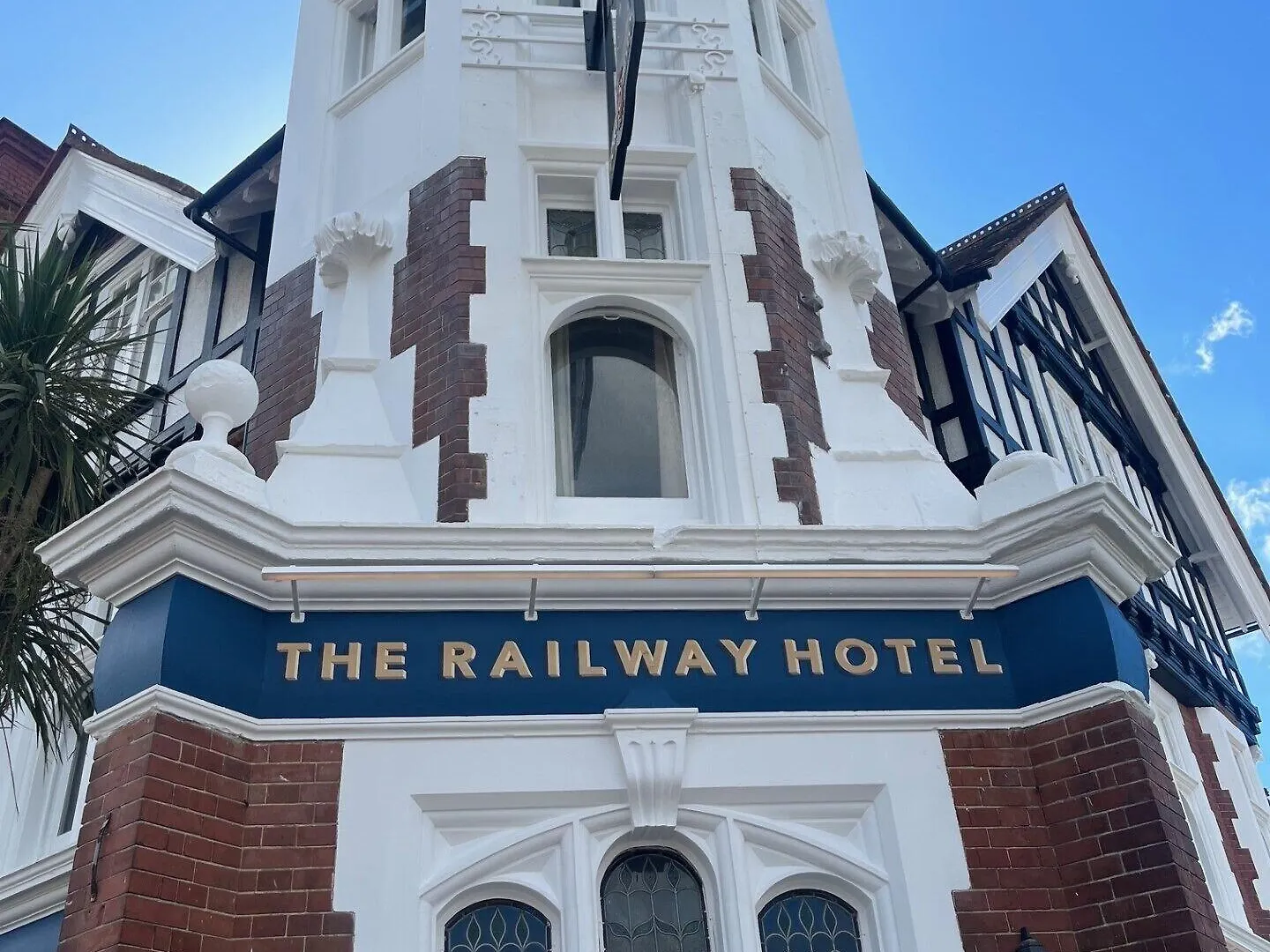
1. The Railway Hotel Worthing
Show on map


 Check-infrom 16:00 until 23:00Check-outuntil 11:00
Best price guarantee
from£ 52
-
2. The Limes By Luigis Al Fresco
Show on map


 Check-infrom 14:00 until 19:00Check-outfrom 08:00 until 10:00
Best price guarantee
from£ 111
-
3. The Royal Hotel
Show on map


 Check-infrom 14:00 until 21:30Check-outuntil 10:00
Rooms filling fast – secure the best rate!
from£ 64
-
4. Elmers Court
Show on map


 Check-infrom 15:00 until 23:00Check-outfrom 06:00 until 11:00
Best price guarantee
from£ 86
-
5. The White Horse
Show on map


 Check-infrom 15:00 until 23:59Check-outuntil 11:00
Just a few rooms left at the best rate!
from£ 93
-
6. The Lion
Show on map


 Check-infrom 14:00 until 21:00Check-outfrom 08:00 until 10:00
Best price guarantee
from£ 92
-
7. The Carden Arms
Show on map


 Check-infrom 16:00 until 23:00Check-outuntil 10:00
Best price guarantee
from£ 113
-
8. George Hotel By Greene King Inns
Show on map


 Check-infrom 14:00 until 22:00Check-outuntil 11:00
Rooms filling fast – secure the best rate!
from£ 61
-
9. Burlington Hotel, BW Premier Collection By Best Western
Show on map


 Check-infrom 15:00 until 23:59Check-outuntil 11:00
Best price guarantee
from£ 64
Best Premium Central Hotels in England
These properties offer elevated facilities - spas, award-winning restaurants, clifftop or harbour-front settings - combined with central or landmark positioning that justifies the higher rate.
-
10. Greenwoods Hotel & Spa
Show on map


 Check-infrom 14:00 until 23:59Check-outuntil 11:00
Hurry – almost gone at this price!
from£ 259
-
11. Grand Villa Heights
Show on map


 Check-infrom 15:00 until 23:30Check-outfrom 08:00 until 10:00
Best price guarantee
from£ 185
-
12. Grassington House
Show on map


 Check-infrom 15:00 until 18:00Check-outfrom 08:00 until 11:00
Best price guarantee
from£ 170
-
13. Pedn-Olva
Show on map


 Check-infrom 15:00 until 23:59Check-outuntil 11:00
Just a few rooms left at the best rate!
from£ 237
-
14. Netherwood Hotel & Spa
Show on map


 Check-infrom 15:00 until 22:00Check-outfrom 08:00 until 11:00
Hurry – almost gone at this price!
from£ 84
-
15. Harbour Hotel Padstow
Show on map


 Check-infrom 15:00 until 23:59Check-outuntil 11:00
Just a few rooms left at the best rate!
from£ 135
Smart Timing & Booking Advice for Central Hotels in England
England's hotel demand is sharply seasonal, and the gap between peak and off-peak conditions is more dramatic than in many European destinations. Coastal properties in Cornwall - particularly in St Ives and Padstow - fill up during the summer school holidays, and availability at harbour-front and beachfront hotels can disappear entirely by late May for July and August dates. Book coastal and national park properties at least 8 weeks in advance for summer travel, and expect prices to be around 35% higher than the same property in October or November. The Yorkshire Dales and North York Moors see heavy walking traffic from April through October but offer genuinely quiet midweek windows in May and September when conditions are often excellent. Inland market town hotels - Huntingdon, Maldon, Hertingfordbury - carry far less seasonal pressure and reward last-minute bookers with better availability and more stable pricing throughout the year. Shoulder months of March and October offer the best combination of reasonable rates and manageable crowds across most of England outside London. For properties near transport hubs like Worthing or Huntingdon, weekend stays in spring and autumn are often priced competitively while still offering full access to the surrounding region. Hotels with spas and award-winning restaurants, such as Greenwoods in Essex and Grassington House in the Dales, are worth booking well ahead regardless of season due to limited room counts and high domestic demand.